
重磅!汇顶科技拟收购显示芯片独角兽云英谷!后者曾获华为、小米投资

11月22日,因筹划购买资产事项,汇顶科技(603160)自11月25日起开始停牌,预计停牌时间不超过10个交易日。
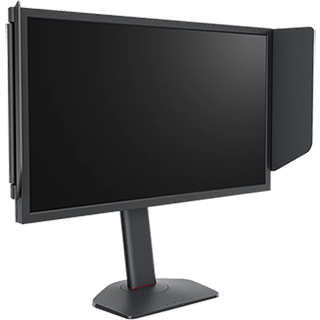 BenQ ZOWIE XL2546X+ builds upon its predecessor – the BenQ ZOWIE XL2546X. It arrives with a slightly smaller display with a 24.1-inch diagonal size and the same FHD resolution. The refresh rate is increased to 280Hz. The new monitor uses a new Fast TN display panel that provides clearer and sharper outlines of moving images. This newly developed panel applies a faster electrical conductivity…
 AOC Q27G4ZDB is a new QD-OLED gaming monitor that uses the same display panel used by its sibling from the AGON Pro series – the AOC AGON Pro AG276QZD2. This is a 26.5-inch QD-OLED unit with a QHD resolution and 10-bit color bit depth with Quantum Dot Color technology. It covers 100% of the sRGB, 98% of the Adobe RGB, and 99% of the DCI-P3 color space. The typical SDR brightness is 250 nits, the…
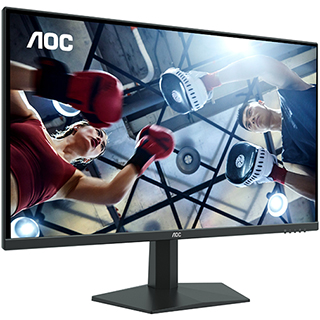 AOC Q27G10SE debuted this week in China offering a 27-inch Fast IPS display with a QHD resolution and a 320 Hz refresh rate with Adaptive-Sync support. The 10-bit display panel covers 100% of the sRGB and 97% of the DCI-P3 color space. It delivers a typical brightness of 400 nits with VESA DisplayHDR 400 certification and a contrast ratio of 1500:1. The GTG response time is 1 ms and the MPRT is…
No account yet?
Create an Account