
消息称iPhone15全系将采用叹号屏

7月21日消息,根据现有爆料,今年的iPhone 14系列将出现刘海屏和全新叹号屏(双挖孔)共存的局面。
 NZXT entered the gaming monitors market with two models. The first is the NZXT Canvas 27Q. It has a flat, 27-inch IPS display with a QHD resolution and typical brightness of 300 nits. The display has a native 8-bit gray depth, covers 99% of the sRGB color space, and is HDR10 certified. It has a 1 ms response time and a refresh rate of up to 165Hz with AMD FreeSync Premium certification and NVIDIA…
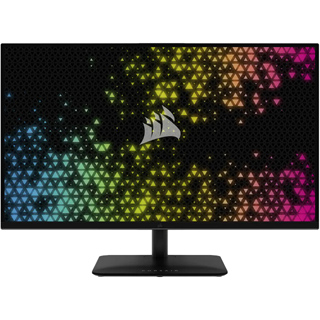 In October last year, Corsair launched its first gaming monitor – the Xeneon 32QHD165 – and now the brand expands the line with two other gaming monitors – the Corsair Xeneon 32UHD144 and the Corsair Xeneon 32QHD240. Both models are AMD FreeSync Premium certified and NVIDIA G-Sync compatible. The Corsair Xeneon 32UHD144 features a 31.5-inch IPS display with a 4K resolution, up to a 144Hz refresh…
No account yet?
Create an Account