
Shenzhen launches China’s first full-stack domestic 14,000P AI cluster

Shenzhen has brought online what project materials describe as China’s first 14,000P, 10,000-card AI computing cluster built around a fully domestic technology stack, marking a new stage in the country’s push to reduce reliance on foreign hardware and software in large-scale model training.
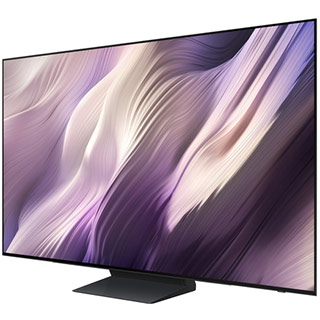 For 2026, Samsung has two top-tier QD-OLED/OLED series for Europe. For starters, it must be clarified that the European Samsung S99H corresponds to the USA-bound Samsung S95H series, with a difference in the number of USB Type-A ports and tuners. Secondly, the European Samsung S95H series arrives with One Connect Box included, three USB Type-A ports, and a USB Type-B port. It also has a central…
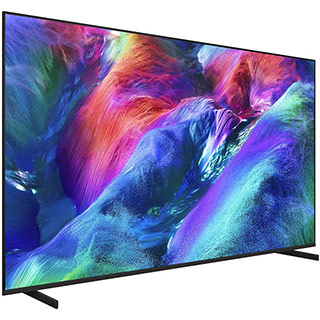 The 2026 Samsung Micro RGB lineup, led by the flagship R95H and the more accessible R85H series, marks the company’s most ambitious leap in emissive‑style LED technology. The TVs from both series are gradually finding their way to stores in Europe and the UK. Below we list their respective specifications and prices. Samsung MRE130R95H specifications; N/A Samsung MRE85R95H specifications; EUR 9099…