
AI servers now compete as much on heat management as on computing power

As AI workloads reshape data center design, performance is no longer defined solely by computing power. Thermal management has emerged as an equally decisive battleground. Unlike traditional CPU-centric systems, modern AI servers rely heavily on GPUs and specialized accelerators, each drawing hundreds of watts per chip. The resulting thermal density far exceeds the limits of conventional air-cooling, turning heat dissipation into a core infrastructure challenge rather than a peripheral engineering concern.
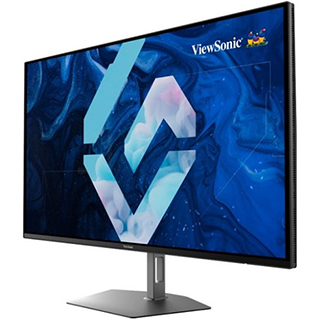 The ViewSonic VX27G70Z-2K-3 and the ViewSonic VX27G60Z-2K-3 are two brand-new, cutting-edge 26.5-inch gaming monitors that blend speed, clarity, and color precision into a sleek QD-OLED package. Designed for esports professionals and gaming enthusiasts, the displays boast a native 2K resolution of 2560×1440 and an ultra-fast 360Hz refresh rate, setting a new benchmark for responsiveness and…
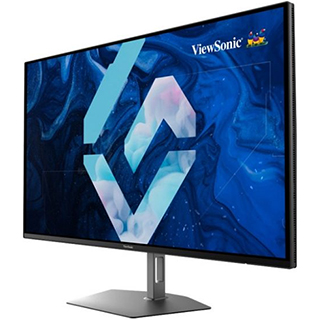 ViewSonic has launched two 26.5-inch QHD QD-OLED gaming monitors – the ViewSonic VX27G70Z-2K-2 and the ViewSonic VX27G70Z-2K. Both models arrive as a compact but technically ambitious entrant in the high‑end gaming monitor market with an identical design and a tilt-only stand. The two also share a plethora of features such as PIP/PBP modes, an eye‑care low‑blue‑light hardware feature, a “G”…