
Nvidia says quantum computing will not replace GPUs

Nvidia said quantum computing will complement rather than replace GPUs, even as Taiwan accelerates investment in quantum technology. Speaking at an industry event, the company said it does not expect any quantum technology to displace GPUs and instead sees future systems combining GPUs, QPUs, and CPUs to boost computing performance.
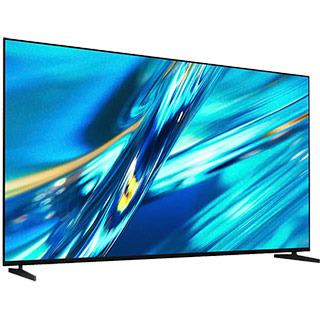 Sony has officially introduced the BRAVIA 3 II television lineup, a series designed to bring a true cinematic experience into the living room. With upgraded processing power, enhanced picture and sound technologies, and deep integration with Google TV and PlayStation features, the new models aim to redefine what consumers can expect from a mid‑range premium TV. Sony K-100XR30M2 – specifications…
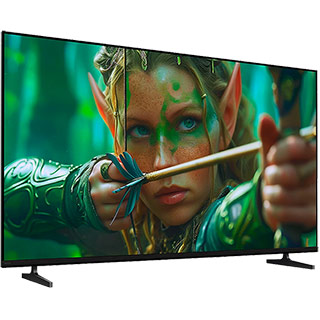 In 2025, Sony launched the BRAVIA 2 II series in the U.S., Canada, and some markets in Asia. This year, the series makes it to the UK and Europe largely unchanged: Sony K-75S25M2 – specifications Sony K-65S25M2 – specifications Sony K-55S25M2 – specifications Sony K-50S25M2 – specifications Sony K-43S25M2 – specifications The Sony BRAVIA 2 II series is powered by the 4K Processor X1, delivering a…