
CIOE: Luxshare bets on flat optics to solve AR glasses’ weight problem

At its booth at the China International Optoelectronic Expo (CIOE), Luxshare and its camera-module affiliate Luxvisions showcased the components they believe will define the next generation of smart eyewear, pointing to weight and price as among the industry’s biggest remaining obstacles.
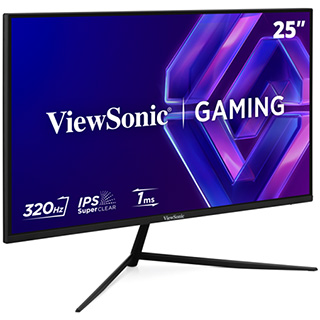 The ViewSonic VX2532 is a 24.5‑inch FHD esports monitor built around a 320Hz SuperClear IPS display with a 1ms GTG response time (MPRT), and support for both FreeSync Premium and G‑Sync compatibility. This ensures smooth frame pacing and eliminates tearing during intense gameplay. Colour performance is solid for an esports‑focused display: the panel has 114% sRGB and 80% NTSC coverage, using a…
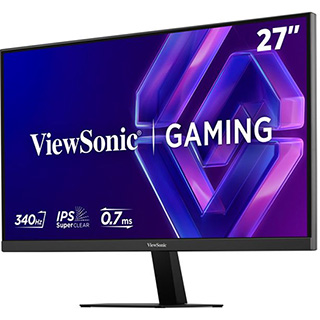 ViewSonic VX27G33-2K has been launched in Europe, offering a 27-inch SuperClear IPS display with a QHD resolution and a 340Hz refresh rate. The 8-bit+FRC panel has a 136% sRGB color volume and 96% NTSC one. It delivers a typical brightness of 350 nits and a static contrast ratio of 1300:1 with HDR10 certification. The VX27G33‑2K also integrates ViewSonic’s Eye ProTech suite, combining…
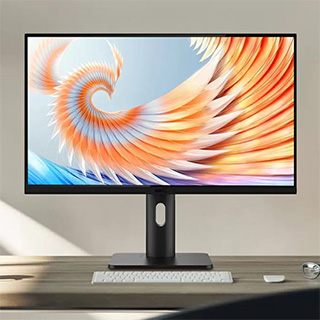 HKC Shield 27Q560 debuted in China two months ago at the BilibiliWorld 2026 (BW2026), Asia’s largest Anime, Comic, and Game (ACG) exhibition. The monitor’s international debut happened at IFA 2026, where it was presented along other models from the HKC brand and its siste brands KOORUI and ANTGAMER. The HKC Shield 27Q560 features a 27-inch Oxide Fast IPS display with a QHD resolution (2560 x 1440…