
China power chip makers CRM, Silan post sharp 1H profit gains

China Resources Microelectronics (CRM) and Hangzhou Silan Microelectronics (Silan), two of China’s leading integrated device manufacturers, reported strong first-half 2026 results as firmer semiconductor demand, higher utilisation and improved product mix lifted earnings.
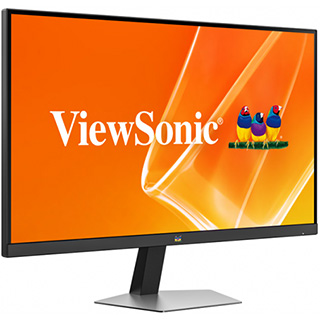 The ViewSonic VX24G81-2K-9 has been quietly launched in China not as a successor to the ViewSonic VX24G81-2K, which was unveiled last year, but more as an alternative. The new model is built around a very similar display – a 23.8-inch IPS panel with a QHD resolution, 1 ms GTG response time, and a 260Hz refresh rate. However, if compared to the VX24G81-2K, the VX24G81-2K-9 offers slightly lower…
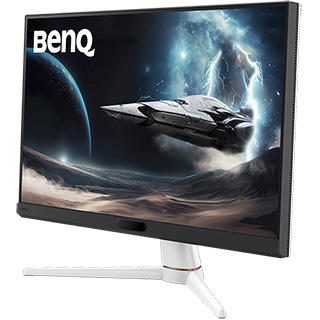 The BenQ EX271QP from the MOBIUZ series arrives as a showcase of how far the brand is willing to push visual fidelity for modern gaming worlds. Presented as a 27‑inch QHD display built around the idea of “game art,” the monitor blends high refresh performance with BenQ Color Lab’s studio‑grade tuning, aiming to reproduce the artistic intent behind today’s most visually ambitious titles. The…