
Huawei’s Ascend 950 tests South Korea’s AI market

Huawei has signalled a renewed push into South Korea’s AI infrastructure market, outlining plans to introduce its next-generation AI processor — widely expected to be the Ascend 950 — packaged with an end-to-end stack spanning hardware, software, networking, and storage.
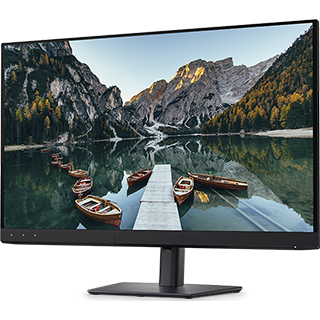 The Dell U3226Q a.k.a. Dell UltraSharp 32 4K QD-OLED Monitor and a CES 2026 Innovation Award honoree, has been unveiled today, billed by the brand as the “world’s first commercial DisplayHDR True Black 500 QD-OLED display with Anti-Glare Low-Reflectance coating, specifically engineered for creative professionals in media, entertainment and design.” At the heart of the monitor is a 31.5-inch…
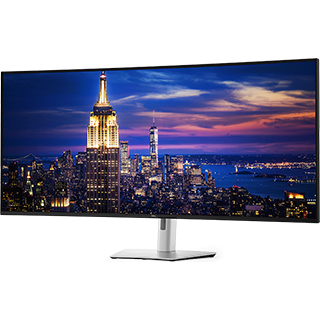 The Dell U5226KW, dubbed Dell UltraSharp 52 Thunderbolt Hub Monitor, debuted at CES 2026 today. This is a 52‑inch ultrawide curved 6K screen that aims to replace complex multi‑monitor workstations with a single, uninterrupted canvas. The company says it is the first display of its size and resolution to feature IPS Black panel technology, a combination engineered to deliver deeper blacks and…