
Acer Predator XB273K V7 is one of the brand’s most versatile 27-inch hybrid monitors yet

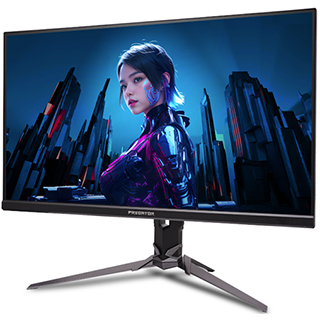 The Acer Predator XB273K V7 enters the market as a display built for users who refuse to choose between high‑speed gaming and color‑critical creative work. The 27‑inch model combines UHD clarity with extreme refresh‑rate flexibility, offering creators the detail they need while giving competitive gamers access to ultra‑fast motion performance. According to Acer’s certification data, the monitor…
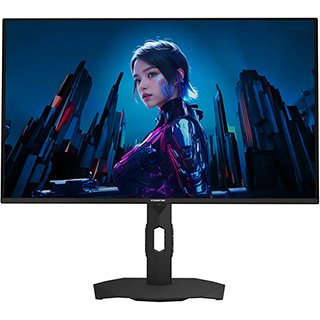 Acer Predator X32 V3 was officially unveiled at IFA 2026 in Berlin. This is a gaming monitor built around a 4th Gen QD-OLED Edge panel, which still employs Samsung Display’s Penta Tandem architecture. Edge panels cost much less, making QD-OLED gaming monitors far more affordable. The Predator X32 V has a 31.5-inch diagonal size, a 4K UHD resolution, and a 180Hz refresh rate with AMD FreeSync…
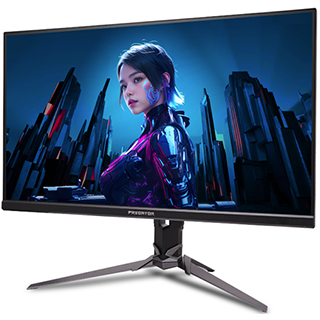 Acer’s newest esports display, the Predator XB253Q U1, marks one of the most aggressive pushes yet toward ultra‑high‑speed gaming performance. Announced at IFA 2026, the 24.5‑inch monitor is engineered specifically for professional players and competitive enthusiasts who rely on instantaneous visual feedback and motion clarity to maintain an edge in fast‑paced titles. The XB253Q U1’s headline…
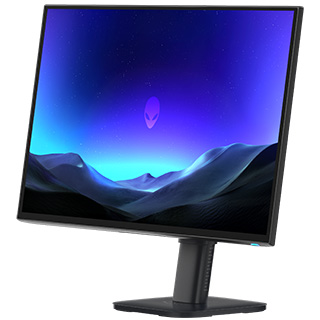 Alienware is pushing competitive display technology into a new era with the launch of the Dell Alienware 25 560Hz QD‑OLED Gaming Monitor a.k.a. Dell Alienware AW2527HX. This model is specifically engineered for professional FPS and esports players who value refresh rate, motion clarity, and response time above all else. Developed in close collaboration with Team Liquid’s pro roster, the AW2527HX…
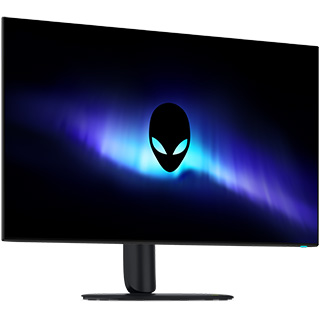 Dell Alienware is expanding its next‑generation OLED lineup with the launch of the Dell Alienware AW3226Q. The new model adapts the RGB stripe tandem OLED architecture first introduced in Alienware’s flagship 39‑inch AW3926QW and applies it to a flat 31.5‑inch 3840 x 2160 panel. The result is a display built for gamers who prioritize image quality, HDR performance, and versatility across both PC…