
Murata begins mass production of world’s smallest three-terminal MLCCs

Murata Manufacturing has started mass production of its LLD series, a new class of ultra-compact capacitors that could help device makers worldwide fit more power management into smaller electronics. The move underscores how component miniaturization is shaping smartphones, wearables, and other connected devices used by consumers across global markets.
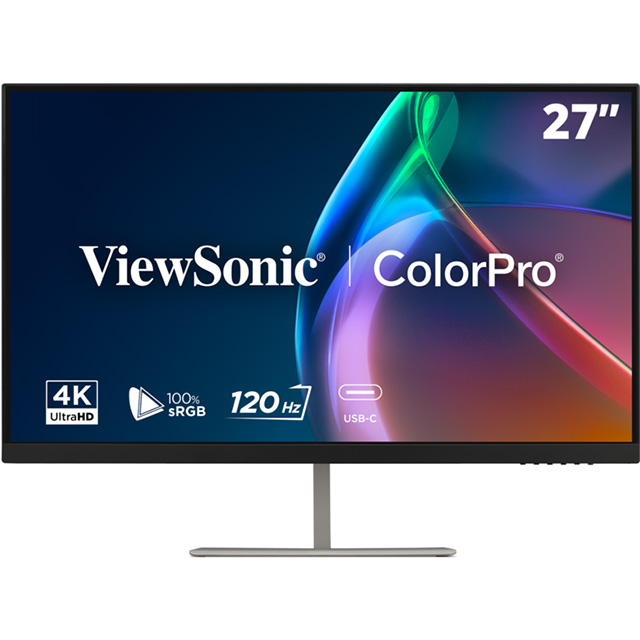 ViewSonic has expanded its ColorPro lineup with the ViewSonic VP2766‑4K, a 27‑inch Ultra HD monitor engineered for creators who demand precision, consistency, and modern connectivity. The display is built around a 27-inch 4K IPS panel offering a typical brightness of 350 nits, a static contrast ratio of 1,500:1, and HDR10 support. The panel delivers 10‑bit color (8‑bit + FRC) and covers…
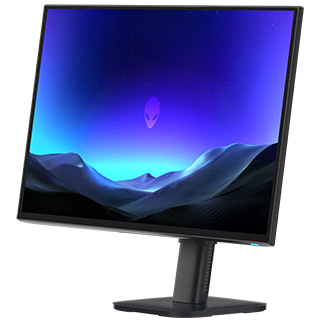 The Dell Alienware AW2527HX debuted at IFA 2026 in Berlin, and today the monitor received its NRRA certification, hinting that its launch is developing according to plan, with availability scheduled for early Q1 2027. The AW2527HX is a purpose‑built esports monitor designed around extreme speed and pro‑level precision. It delivers a native 560Hz refresh rate, a 0.03 ms GTG response time, and a…
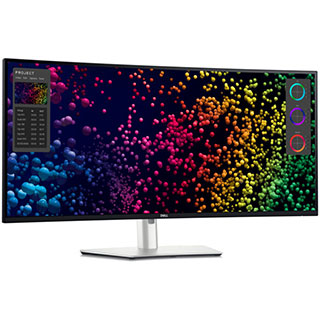 The Dell U4027QW has secured its NRRA certification this month, signaling that the monitor is on track for an official debut at CES 2027. Dell’s release cadence for its 40‑inch ultra‑wide professional displays has become almost predictable: a new flagship every three years. The sequence began with the Dell U4021QW in 2021, continued with the Dell U4025QW in 2024, and now naturally leads to the…